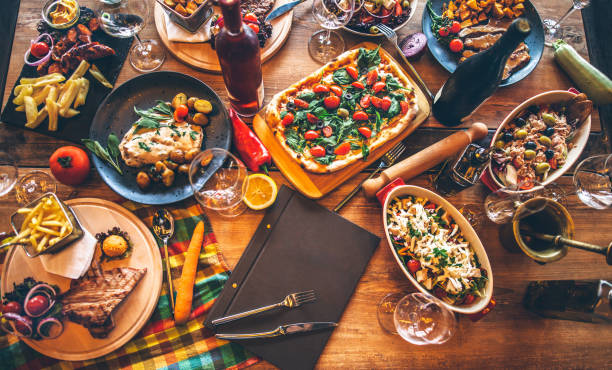
There’s something about homemade food that hits differently. Even if it’s just plain dal and rice or scrambled eggs, it somehow fills more than your stomach—it fills your soul. Fancy restaurants can serve molecular gastronomy or some insane 18-layer dessert, but homemade meals have this invisible seasoning called comfort. I remember trying a three-starred chef’s special once, looked gorgeous on the plate, smelled amazing… but halfway through, I realized I missed my mom’s simple buttered paratha with pickle. Comfort, not complexity, sometimes wins.
The Nostalgia Effect
Homemade meals are like edible time machines. That smell of baked cookies can instantly transport you to your childhood kitchen. That same nostalgia is impossible to replicate in a sleek restaurant with white tablecloths and curated playlists. Even when you try to recreate fancy dishes at home, something about the act of cooking—chopping, stirring, tasting—adds a layer of satisfaction you just can’t order. Social media threads are full of people sharing “homemade wins” and honestly, it’s usually the story behind the food, not the plating, that gets the likes.
Control and Creativity
When you cook at home, you’re the boss. Want more chili? Throw it in. Prefer less salt? Done. Can’t stand cilantro? Not touching it. At restaurants, you’re at the mercy of the chef, and sometimes that control—or lack of it—makes the meal feel less satisfying. I once went to a fancy bistro and got a dish exactly as ordered. Tasted fine, but I felt like a spectator, not a participant. At home, I can tweak, taste, burn, and still end up with something that feels like mine. That ownership adds a weird satisfaction multiplier.
Effort Makes It Taste Better
There’s a reason parents’ cooking always tastes better than anything in a restaurant. It’s the effort. Stirring a pot for an hour, waiting for dough to rise, tasting along the way—it creates a kind of connection with the food. Psychologists even call this the “IKEA effect,” but for food: when you put effort into something, you value it more. I remember burning a batch of pancakes once but feeling ridiculously proud because I tried. That pride? It makes food taste 10 times better.
Freshness and Personal Touch
Homemade food is often fresher. You know exactly what goes in it—no hidden preservatives, no mystery sauces. That freshness matters more than we realize. Plus, you can personalize it: that extra clove of garlic, that splash of lemon, that drizzle of honey—small tweaks make all the difference. On social media, people love posting their “secret homemade hacks,” like adding butter to instant noodles or sprinkling extra spices on fried rice. That personal touch makes the dish yours, and that ownership makes it more satisfying than any Michelin-starred dish you can’t adjust.
Portion and Comfort Balance
Restaurants sometimes overthink portions. Too small, and you leave hungry. Too big, and you feel stuffed in a weird, uncomfortable way. At home, you control it. That’s why a humble plate of dal-chawal can feel more filling than a five-course tasting menu. You eat until your body says yes, not until the restaurant decides you’re done. It’s oddly liberating.
Memory, Mood, and Mindset
Eating at home often happens in a familiar space, surrounded by memories, routines, and even that favorite mug. The environment matters. That same dish in a fancy restaurant might impress your Instagram feed but won’t connect with your emotions the same way. I’ve read Reddit posts where people swear a grilled cheese from childhood trumps any trendy artisan toast they’ve tried in Manhattan. It’s not about the cheese; it’s about the feeling attached to it.
Cheap Thrills, Big Satisfaction
Fancy restaurants often rely on presentation, rare ingredients, or hype. That’s fun, but it can’t replace the satisfaction of a simple meal you made yourself. Homemade food is like a low-budget movie that unexpectedly hits you in the feels—no frills, just heart. You can taste the love, or at least the effort. Even messy cooking feels rewarding; the stains on the counter? Proof you actually made something happen, which is more satisfying than a perfectly plated dish you didn’t touch until it arrived.
Final Thoughts
Homemade food wins because it’s comforting, nostalgic, customizable, and effort-filled. You’re not just eating; you’re participating, creating, remembering, and enjoying on your own terms. Fancy restaurants might wow the eyes, but homemade meals feed more than hunger—they feed pride, comfort, and memory. Next time you sit down with a simple home-cooked meal, remember: that satisfaction is real, and it’s yours entirely.