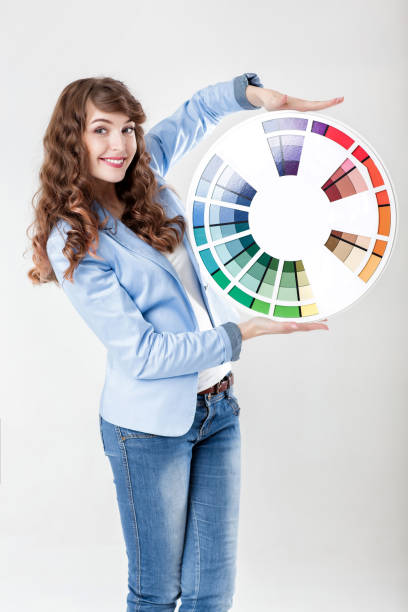
You might think picking an outfit is just about matching your shirt with your pants, but honestly, color choice can totally change how you’re perceived. I’ve learned this the hard way, after rocking what I thought was a “bold red” outfit only to look like a tomato walking down the street. Colors aren’t just decoration—they send messages, affect moods, and can even make you look slimmer, taller, or more confident. Yeah, it sounds dramatic, but it’s true.
Colors hit people emotionally before words ever do. Think about walking into a room in bright yellow versus deep navy. Yellow screams energy, maybe a little chaos, while navy gives off calm, competent vibes. I once wore a neon green hoodie to a casual meet-up, thinking I’d look fun. People literally squinted. Lesson learned: color can either make you pop…or make everyone wish the lights were dimmer.
Why Some Colors Work and Others Don’t
Not every shade suits everyone. Your skin tone, hair color, and even the lighting in a room can turn a color from flattering to “please don’t.” I have a friend who looks stunning in pastels but turns ghostly in bright white. Meanwhile, I look like I belong in a horror movie in beige unless I pair it with a crazy scarf or shoes.
There’s also the psychology behind it. Red can boost confidence (hello, power meetings) but can also come off as aggressive if overdone. Blue is calming and trustworthy, which is why so many uniforms use it. Green feels fresh and creative, purple is mysterious, and black…well, black is like a safety net: you can’t really fail wearing it, but it can feel a little predictable.
Color Combinations Matter
It’s not just the color itself, but how it pairs with other colors. Clashing colors can make an outfit scream “I didn’t try,” while complementary tones can make everything look effortlessly chic. I’ve spent way too much time staring at my closet wondering if my teal shirt and rust pants were going to be an “iconic fit” or a “fashion crime scene.” Spoiler: sometimes you just need a little neutral to balance things out.
Social media is full of examples where color makes or breaks a look. Instagram feeds often highlight outfits where a pop of color turns a basic outfit into something shareable. Sometimes it’s a red bag, other times it’s neon sneakers. People comment on the color more than the style itself. That’s how powerful it is.
Seasonal Colors and Trends
Seasons affect how colors read too. Pastels in spring feel fresh; earth tones in fall feel cozy. I once tried wearing bright orange in January and felt like a pumpkin in a snowstorm. Seasonal color awareness isn’t just about looking good—it’s about vibe. People might not consciously notice it, but they feel it.
Even fashion trends play a role. Pantone announces a “color of the year,” and suddenly everything is in that hue. Some trends stick (millennial pink, anyone?), others die fast. The key is picking shades that resonate with your personality, not just the trend. If it feels forced, everyone can tell.
Personal Confidence and Color
Here’s the real kicker: confidence can turn any color into a statement. I’ve worn “weird” shades that I thought would be unflattering, but if I walked in like I owned it, suddenly it looked good. Color amplifies mood and self-perception. Feeling insecure? Neutral or darker shades can help you blend in while still looking put together. Feeling bold? Go for red, yellow, or neon—you might just turn heads.
Even little things like accessories or shoes can use color strategically. A bright scarf or funky socks can transform a simple outfit without going overboard. I once wore an all-black outfit with neon pink sneakers, and somehow it looked intentional rather than ridiculous. The right accent color can save a look, trust me.
The Social Impact of Color
Colors also affect how people see you socially. I wore an all-blue outfit to a networking event once, thinking it would make me look approachable. People literally started more conversations with me. Coincidence? Maybe, but I swear color sets the mood before you even open your mouth. On the flip side, wearing too many clashing colors can make you seem chaotic or unpolished.
Even online, colors matter. On TikTok or Instagram, the right color combo can make a photo or video pop, while dull tones just get scrolled past. Influencers aren’t just lucky—they know how color catches attention and evokes feeling.
Conclusion
So yeah, color choice is way more than aesthetics. It can change perception, boost confidence, set a mood, and even impact how people interact with you. The next time you get dressed, think beyond matching shades—think about what message your colors send, how they complement your vibe, and what story you want to tell without saying a word. Sometimes, a little color tweak can completely transform your entire look.