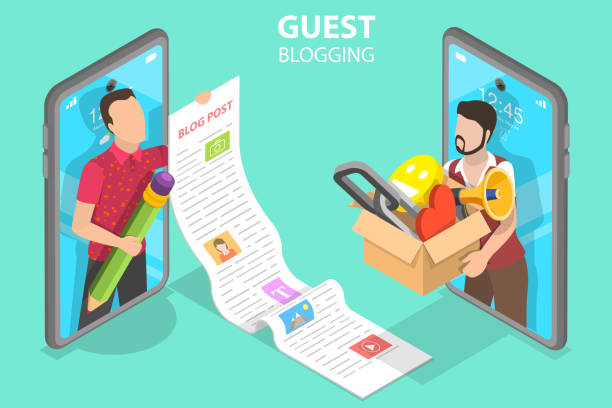
Guest post outreach can sound like a simple numbers game: collect a long list of websites, send the same pitch to all of them, and hope someone replies. In practice, that approach tends to create a lot of silence. Editors are busy, inboxes are crowded, and a generic message gives them little reason to trust that you understand their publication. The better approach is slower but more useful: find a genuine fit, offer a clear idea, and make it easy for the other person to decide.
Start with the reader, not the link
Before searching for websites, decide what you want a guest article to do. Are you trying to explain an unfamiliar topic, share expertise with a new audience, or build relationships in your industry? A link can be part of the outcome, but it shouldn’t be the whole reason for writing. If the proposed article has no value without a backlink, readers and editors can usually tell.
Think about the people a publication serves. A business site might want practical guidance for owners, while a technology publication may prefer a close look at a specific tool or trend. The more clearly you understand the audience, the easier it is to suggest a topic that belongs there. Reviewing a publication’s recent articles, tone, and submission guidance is basic homework, not a step to skip when you’re in a hurry.
Build a focused list of publications
A list of hundreds of vaguely relevant sites can feel impressive, but it often creates more work than opportunity. Start with a smaller group where your knowledge genuinely fits. Check whether the site is active, whether its articles are original and useful, and whether it publishes outside contributors. Look at the quality of the discussion and the subjects it covers, rather than judging only by a single metric.
Keep simple notes: the editor or contact name, a relevant article you read, the audience, and one or two possible topic ideas. This makes each message more specific and prevents the classic mistake of addressing an editor by the wrong name or pitching an idea they covered last week. A spreadsheet is enough; the important part is treating outreach as a relationship process rather than a mail merge.
Write a pitch that respects the editor’s time
A useful pitch is concise without being cryptic. Introduce yourself in a sentence, show that you know the publication, and offer a focused idea with a short explanation of what readers would learn. If you have relevant writing samples, include the most closely related ones. Avoid attaching a full article unless the site asks for one, and don’t make the editor dig through a biography to understand the proposal.
It can help to prepare several distinct ideas for a publication, but don’t send a menu of ten half-formed headlines. Two or three well-developed options are usually easier to evaluate. If you’re exploring how a guest post outreach service fits into a wider marketing plan, use the same standard you’d apply to any outside support: clarify what work is included, how targets are selected, how communication is handled, and what counts as a useful result. A service can help with coordination, but it cannot make an irrelevant pitch valuable.
Make the article worth publishing
Once an editor is interested, follow their instructions carefully. Agree on the angle, length, deadline, and any formatting requirements before drafting. Then write for the publication’s readers, not as a disguised company brochure. Explain the problem clearly, offer actionable detail, and use examples that help readers apply the advice. A useful article may mention a product or service when it naturally belongs, but the piece should still make sense to someone who never clicks a link.
Give the draft a careful edit. Check names, figures, claims, and spelling, and remove repeated points that make the article feel padded. Editors may request changes; respond professionally and keep track of the agreed version. These small habits make collaboration easier and improve the chance of being invited back.
Use outside help thoughtfully
Outreach can involve several kinds of work: research, writing, editing, design, and campaign administration. A small business may not have every skill in-house, so hiring freelancers can be a practical way to fill gaps. Marketplaces such as Osdire cover many categories, from writing and translation to marketing and design, which can be useful when a project needs more than one type of support. Its flat pricing and payment protection—where funds are held during an order and released after the buyer approves the delivered work—also make the transaction terms easier to understand.
Still, outsourcing doesn’t remove the need for judgment. Give a freelancer a clear brief, examples of the publication’s style, and boundaries around claims and links. Review the work yourself before it goes to an editor. You are responsible for the accuracy and usefulness of what you submit, even when someone else helped create it.
Follow up, learn, and keep it human
If an editor hasn’t replied, one polite follow-up after a reasonable interval is usually enough. Keep it brief and make it easy to decline. If the answer is no, thank them and move on rather than arguing. Track replies and outcomes so you can see which topics and messages are working, but don’t reduce every relationship to a conversion rate.
Good outreach is not a trick for getting a link placed. It is a way to bring a relevant idea to an audience that can benefit from it. Do the research, pitch with care, deliver a strong article, and respect the editor’s decisions. The process may take longer than blasting out templates, but it creates better work—and business relationships that can outlast a single post.