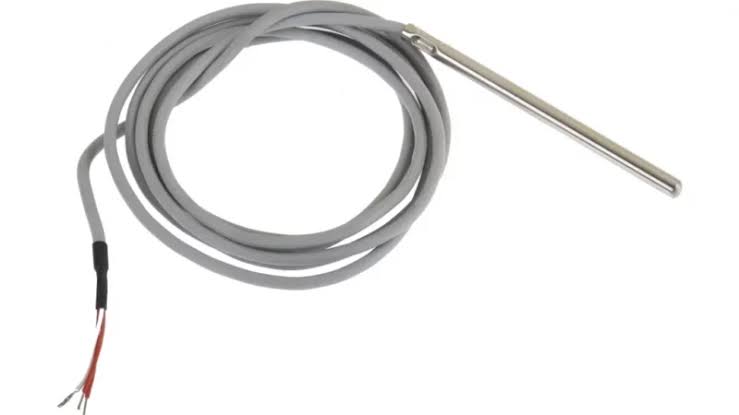
A temperature probe might be a small part of industrial machinery, but the wrong one can cause expensive production problems. Poor sensor placement, unsuitable materials, and incorrect temperature ratings can lead to misleading readings or frequent replacements. Finding the right probe starts with understanding how the equipment operates and what conditions the sensor must withstand.
Know the Equipment’s Actual Operating Temperature
Machinery temperatures can change considerably between startup, regular operation, and shutdown. A plastic extrusion barrel, for example, may operate at moderate heat but experience temporary temperature increases during processing adjustments. Sensor specifications must account for these changes rather than relying only on normal operating temperatures.
Thermocouples come in different types, including J and K, with distinct operating limits. Type J commonly serves moderate-temperature industrial equipment, while Type K accommodates a wider range of temperatures. Selecting an appropriate type helps prevent premature deterioration caused by prolonged heat exposure.
How Much Measurement Accuracy Does the Process Need?
Not every manufacturing process requires the same degree of temperature accuracy. General equipment monitoring may tolerate small variations, while precision molding or controlled heating processes often need closer temperature regulation.
A resistance temperature detector measures temperature through changes in electrical resistance. Platinum RTDs generally provide good accuracy and repeatability within their rated operating range. However, the measuring instrument, wiring, and calibration also affect the final reading. Facilities should establish acceptable temperature tolerances before deciding which sensor technology to install.
Probe Length and Diameter Affect More Than Installation
An incorrectly sized probe can produce misleading readings even when its sensing element functions properly. Short probes may not reach the intended measurement area, while unnecessarily long probes can interfere with nearby machine components.
Probe diameter also influences performance. Thinner probes typically respond faster to temperature changes but may offer less mechanical protection. Larger diameters accommodate stronger sheaths and greater durability, although their additional mass can slow temperature response. Equipment drawings and existing probe dimensions help determine suitable sizes.
Protective Sheaths Must Match the Surrounding Conditions
Industrial sensors often operate around moisture, chemicals, vibration, and heated materials. Stainless steel sheaths provide mechanical protection and resist corrosion in many applications, but different grades perform better under specific conditions.
Certain processing environments require specialized protective materials. Chemical exposure, high-temperature oxidation, and contact with abrasive substances can damage unsuitable sheaths. Engineers should identify the materials surrounding the probe before selecting its protective construction. A sheath that survives heat may still fail when exposed to incompatible chemicals.
Does the Junction Design Change Sensor Performance?
Thermocouple junctions can be grounded, ungrounded, or exposed, and each construction affects how the probe responds to temperature changes. Grounded junctions connect directly to the protective sheath, often providing faster response through improved heat transfer.
Ungrounded junctions remain electrically isolated from the sheath, helping reduce certain grounding and electrical noise problems. Exposed junctions respond quickly because the sensing point directly contacts the surrounding environment. However, their limited protection makes them unsuitable for many harsh industrial conditions.
Wiring and Connectors Can Influence Temperature Readings
Long cable runs can create measurement problems if the wiring does not match the sensor. Thermocouple installations require compatible extension or compensating cables, while RTD connections must account for electrical resistance in the lead wires.
Three-wire and four-wire RTD configurations help reduce lead-resistance errors compared with basic two-wire installations. Comparing thermocouples and RTD wiring requirements also helps maintenance teams avoid installation mistakes. Loose connectors, incorrect polarity, and poor cable routing can cause inaccurate readings or intermittent sensor faults.
Response Time Matters for Equipment With Rapid Heat Changes
Fast-moving production processes may require sensors that detect temperature changes quickly. Injection molding equipment, heated dies, and certain packaging machines depend on timely measurements to maintain appropriate processing conditions.
A probe’s response depends on its construction, sensing element, protective sheath, and contact with the measured material. Thick-walled assemblies may withstand demanding conditions but react more slowly. Engineers should balance response speed with durability rather than automatically selecting the smallest available sensor.
Check How the Probe Fits Into the Existing Machinery
Mounting arrangements determine whether a temperature probe remains securely positioned during operation. Threaded fittings, compression fittings, bayonet adapters, and specialized mounting hardware accommodate different equipment designs.
Poorly secured probes can loosen through vibration, lose contact with the measured surface, or suffer mechanical damage. Replacement components should match the existing installation dimensions and connection requirements. Checking these details before ordering helps maintenance teams avoid unnecessary modifications and equipment downtime.
Thermal Corp manufactures and supplies industrial temperature sensing products, including thermocouples, RTD probes, and related accessories for manufacturing equipment. Its selection includes different probe configurations, fittings, and connection options suited to various machinery requirements. Industrial facilities looking for replacement sensors or components for new heating systems can consider these products when matching temperature probes to their equipment dimensions, operating conditions, and measurement needs.