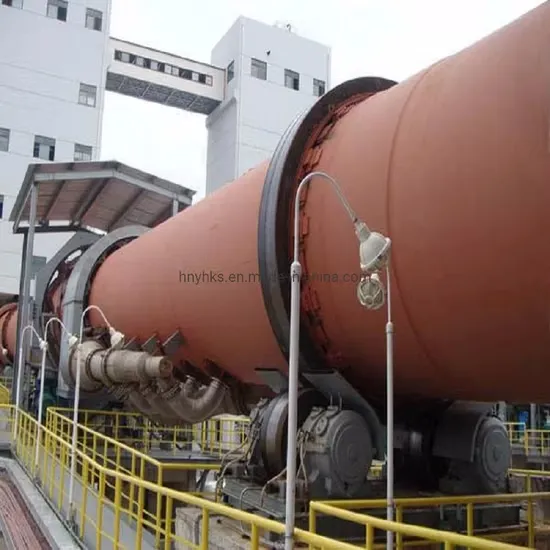
I didn’t really get how serious kiln issues can be until I saw a small plant basically bleed money for like… three straight months. And funny thing is, they thought it was just “normal wear and tear.” Turns out, it wasn’t. That’s where stuff like kiln engineering consulting starts making sense, even if at first it sounds like some expensive corporate thing you can skip.
Most people (even plant guys sometimes) treat kilns like that old bike you keep fixing with jugaad. If it runs, it’s fine. If it shakes, just tighten something. But kilns aren’t bikes… they’re more like airplanes honestly. One small imbalance and suddenly fuel costs go crazy, production drops, and nobody knows why.
And yeah, I used to think consulting is just someone coming in, talking big, and leaving a fat invoice. But after seeing actual cases… it’s not always like that.
It’s not always about fixing — sometimes it’s about noticing what nobody else sees
One thing I’ve noticed (and this might sound obvious but it’s not) is that kiln issues don’t usually scream at you. They whisper. Slight temperature variation, minor misalignment, a weird sound that only one operator notices at 2am.
Most teams ignore these because production still going on. Targets are being met, more or less. So why stop?
But that’s the trap.
I remember reading somewhere — not sure exact source, maybe a LinkedIn post that went kinda viral — that even a 1% drop in thermal efficiency in rotary kilns can increase fuel consumption by like 2–3%. Doesn’t sound huge, but over months… that’s serious money.
And no one connects it back to that “small issue” from weeks ago.
That’s kinda where external experts actually help. Not because plant engineers are not smart (they usually are), but because they’re too close to the system. Like when you stare at your messy room long enough, it stops looking messy.
Money leaks are usually invisible, not dramatic
If a machine breaks, everyone reacts. Emergency mode. Calls. Panic. Fix it fast.
But slow inefficiency? That just quietly drains budget.
Think of it like a leaking tap. You won’t panic over a drip. But leave it for months and your water bill suddenly looks… suspicious.
Kilns behave the same way. Misalignment, poor sealing, heat loss — none of these shut down production immediately. They just make everything slightly worse. Slightly more fuel. Slightly lower output. Slightly higher stress on components.
And because it’s “slight,” nobody escalates it.
There was this one Reddit thread I came across (yeah I waste time there sometimes), where someone from a cement plant shared how they ignored shell deformation for almost a year. It didn’t fail, but fuel consumption went up around 8%. That’s massive when scaled.
What’s crazy is, they only realized after bringing in outside inspection.
People underestimate how complex kilns actually are
From outside, a kiln just looks like a rotating cylinder. Fire goes in, material comes out. Simple, right?
Not really.
It’s a mix of mechanical alignment, thermal behavior, airflow dynamics, material chemistry… and all of these interact. Change one thing and something else reacts. Sometimes in ways you didn’t expect.
I once heard someone describe it like cooking on a gas stove with a broken knob. You think you’re controlling the flame, but actually it’s doing its own thing. Food still cooks, but not properly.
Same with kilns. You can run them while things are off, but you’re never getting optimal output.
And I think that’s the biggest mistake — assuming “running” equals “efficient.”
There’s also a human side no one talks about
This part is a bit underrated honestly.
When plants struggle with ongoing issues, it affects people. Operators get blamed, maintenance teams get stressed, management starts asking uncomfortable questions. Everyone feels like they’re doing something wrong.
But sometimes… the system itself needs correction, not the people.
Bringing in external consulting can actually reduce that internal pressure. It’s like getting a second opinion from a doctor. Not because your regular doctor is bad, but because fresh perspective helps.
Also, weirdly enough, teams often learn new stuff during these processes. Like practical, hands-on insights they didn’t pick up before. So it’s not just “fixing problems,” it’s kind of skill-building too.
Online chatter actually reflects a shift in thinking
Lately I’ve seen more industry folks talking about optimization rather than just maintenance. Especially on platforms like LinkedIn (yeah I scroll there sometimes when I’m bored).
There’s this growing mindset that waiting for breakdowns is outdated. Instead, people are focusing on performance tuning, predictive checks, stuff like that.
Even smaller plants are starting to invest in these areas, which is interesting. Earlier it was mostly big players.
Maybe rising fuel costs pushed this change? Not sure, but it makes sense. When margins get tight, efficiency becomes everything.
Not every consulting service is magic though
Let’s be real for a second.
Not all consulting delivers amazing results. Some are just… okay. Reports get made, suggestions given, but implementation doesn’t happen properly. Or recommendations are too generic.
So yeah, choosing the right partner matters a lot.
From what I’ve seen, the good ones focus on practical fixes. Not just theory. They actually get into the system, observe, measure, test things.
And importantly, they explain stuff in a way teams can understand. Not just fancy technical jargon.
Because if the plant team doesn’t buy into the solution, nothing really changes.
End of the day, it’s about control
That’s probably the simplest way to put it.
Kilns are expensive to run. Fuel, maintenance, downtime — everything adds up. And when things aren’t optimized, you lose control over costs.
It’s like driving a car with poor mileage. You keep filling fuel more often, but you don’t question it until someone points out something’s off.
Same thing here.
Getting proper analysis, insights, and adjustments isn’t just about fixing problems. It’s about knowing your system is working the way it should.
And honestly, that peace of mind alone… kinda worth it.
Even if it takes a bit of effort (and budget) upfront.