I’ve bought gadgets I never touched. That fancy popcorn maker that promised movie-theater vibes at home? Still in the box. That Bluetooth-enabled salt shaker? Yep, untouched. And yet, every time a new gadget comes out, my brain does that weird little dance of “Ooh, I need it.” It’s not just me, of course. Humans are wired to chase novelty. A new gadget is like candy for our brain — short-term pleasure with zero long-term commitment.
Every time we see a slick ad, unboxing video, or TikTok showing someone using the latest device, our brain lights up. Dopamine hits, we feel excited, we imagine ourselves using it, becoming a “cool” version of ourselves. But here’s the kicker — the gadget doesn’t magically make us cooler, healthier, or more productive. Often, it just ends up collecting dust. Social media makes it worse because everyone else seems to be effortlessly enjoying these toys, so we buy to “catch up” even if the reality is very different.
Impulse Buys and Dopamine Hits
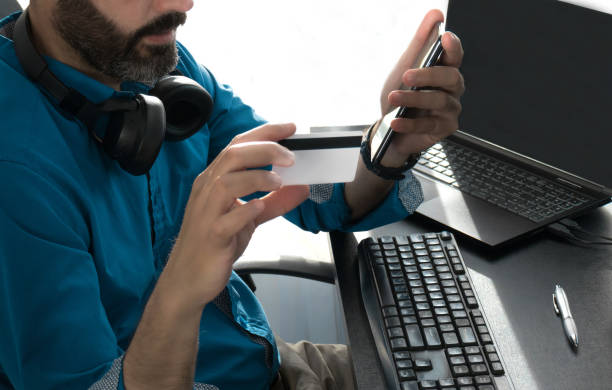
Impulse buying is a real thing, and gadgets are tailor-made for it. There’s a tiny thrill in swiping your card for something shiny and new. You get the rush of reward: “Yes! I have the latest tech! I’m future-proofed!” But the brain doesn’t care about future use — it only cares about that immediate hit. This is why so many of us have a drawer full of devices that haven’t been powered on since day one.
Think about it: a smartwatch that promises to track your every move? Exciting at first. After a few weeks, you realize you don’t actually care about your step count or heart rate during Netflix marathons. That wireless earbud set that cost a small fortune? Still in the box because, honestly, wired headphones are easier. The gadget promised excitement, but reality is lazy, boring life. And that’s okay — but our brain tricked us into buying it anyway.
Expectation vs. Reality
A huge reason gadgets go unused is expectation vs. reality. We imagine a world where owning the right device will change our lives: more productive, healthier, or just “better.” But the minute the novelty wears off, we realize life isn’t that simple. That automatic pancake maker? Sure, in theory, you’d have perfect pancakes every morning. Reality: it takes forever to clean, and flipping pancakes by hand is faster. The smart juicer that promised “fresh juice every morning”? You forget to add fruits, then it sits there silently judging you.
Social media doesn’t help either. TikTok is flooded with short, glossy videos of people using the newest gadgets in perfectly staged rooms. We watch, we drool, and we imagine ourselves there, effortlessly enjoying life. And when we buy it, it doesn’t match that fantasy. Which leads to guilt, disappointment, or just… ignoring the gadget entirely.
The Sunk Cost Fallacy
Here’s another trap: we’ve spent money on it, so we feel obligated to keep it, even if we never use it. That’s the sunk cost fallacy at work. I once bought a fancy electric pasta maker. I tried it twice, then gave up. But somehow, I couldn’t bring myself to donate it or toss it. Maybe one day, I told myself. That “one day” never came. It now lives in my cabinet like a weird trophy of failed intentions.
We do this with gadgets more than we realize. That smart blender you bought for “healthy smoothies every morning”? Still in the box. That noise-canceling headphone set? Only used during a 30-minute flight. But throwing it away feels like admitting defeat. So it stays, slowly becoming part of the home ecosystem of unused devices.
Social Proof and Status Signals
A lot of gadget buying is social. We see friends, influencers, or YouTubers flaunting the newest tech, and suddenly we feel left out. Owning a gadget is no longer just about its function — it’s a signal. It says, “I’m modern, I’m tech-savvy, I belong.” And let’s be honest, humans crave belonging.
Social media amplifies this. Twitter threads lamenting “gadget graveyards” in our drawers are full of people admitting they bought the same devices they saw online. Reddit discussions about “stuff I bought because TikTok said I needed it” have thousands of upvotes. We don’t just buy for utility — we buy to feel included in a tribe, even if the device never gets used.
The Thrill of Novelty
There’s also the thrill factor. Humans love new things. A gadget represents possibility, potential, and a tiny slice of the future. Even if it’s never turned on, owning it gives a feeling of being ahead of the curve. Remember the mini drone craze? Everyone imagined capturing epic videos and doing cool tricks. Reality: most drones ended up on shelves after the first flight, proving that novelty alone drives purchases more than actual use.
Complicated Tech and Laziness
Some gadgets fail simply because they’re too complicated. If it’s not straightforward or convenient, people give up. That smart home assistant that promises to control lights, temperature, and your TV? Sure, sounds amazing, until setup takes an hour and voice commands don’t work properly. Most of us are too lazy to troubleshoot. Humans love convenience, but if the gadget requires effort, forget it.
The Tiny Joy of Owning
Finally, some gadgets are just comforting to own. They may never be used, but owning them feels nice. It’s a psychological cushion — proof that we’re “keeping up with the times,” that we’ve tried, that we’re still part of the tech world even if we never actually power the device on.
So yeah, gadgets we never use aren’t just failures. They’re little mirrors of human nature: impulsive, hopeful, impressionable, and a little lazy. And honestly, maybe it’s okay. A drawer full of unused gadgets isn’t a waste — it’s proof that we’re curious, we try new things, and we chase a little happiness wherever we can find it, even if it’s just for five minutes of dopamine.
Next time you see a gadget on sale and think, “I might actually use this,” remember: buying it feels better than using it sometimes. And that’s kind of the point.